All About Australian Shepherds
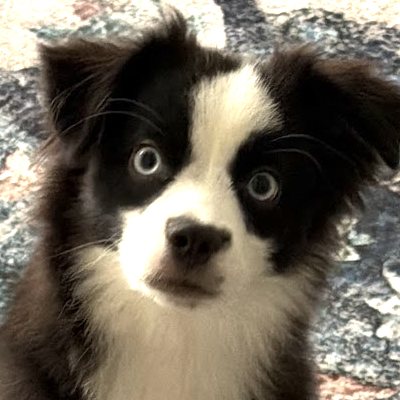
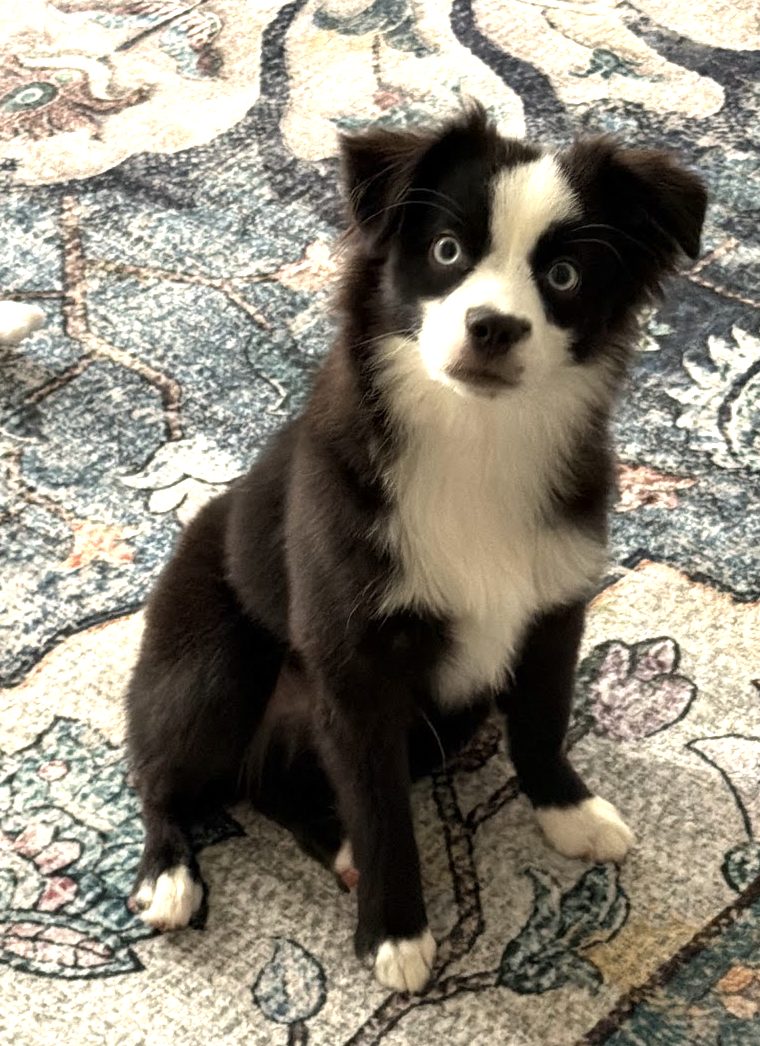
Charlie is a mini Australian Shepherd: smart, bouncy, loyal and very, very fluffy. Here's what his breed is like, what Aussies eat and play with, how they grow up, and how to find one of your own.
At a glance
"Mini Aussies" like Charlie are recognized by the American Kennel Club as their own breed, the Miniature American Shepherd. They look like a smaller Australian Shepherd and share the same herding brain.
Australian Shepherd
- Height
- 18–23 inches
- Weight
- 40–65 pounds
- Lifespan
- 12–15 years
- Coat
- Medium-length double coat
Miniature American Shepherd
- Height
- 13–18 inches
- Weight
- 20–40 pounds
- Lifespan
- 12–13 years
- Coat
- Double coat, sheds a lot
Temperament
Aussies are working dogs at heart. Give them a job (even if the job is "carry Lamb Lamb around the apartment") and they're happy.
Wicked smart
Fast learners who love training games and tricks. They can also pick up bad habits just as quickly.
Loyal & protective
Deeply devoted to their family, and often a little reserved with strangers until they get to know them.
High energy
They need real daily exercise: a long walk, a good run or an energetic play session, plus mental exercise.
Herders
Many Aussies try to herd anything that moves: kids, cats, other dogs, sometimes their humans (or, as Fluffy says, their hoomans).
Chatty
Aussies can be vocal and will let you know about visitors or anything unusual. (The Super has opinions about this.)
Velcro dogs
They don't love being left alone for long stretches. A bored Aussie can get destructive.
The Aussie life cycle
Ages are approximate and vary from dog to dog. Your vet is the best guide for your own pup.
- Birth – 1 year
Puppy
Fast growth, lots of naps, and a huge amount of learning. Meeting people, places and sounds early helps them grow into confident adults. Expect chewing and some land-shark nipping.
Charlie is here! - About 1 – 2 years
Teenager
Full-size energy with a not-quite-grown-up brain. Training, exercise and patience matter most now.
- About 2 – 7 years
Adult
Peak Aussie: athletic, focused and up for anything, from hikes to agility to fetch marathons.
- About 8 years +
Senior
Still playful, a bit slower. Gentler exercise, comfy beds and regular vet checkups help them stay happy.
What Aussies eat
The everyday bowl
- A high-quality, complete dog food made for their life stage (puppy, adult or senior).
- Measured portions: active Aussies can still put on weight, so keep an eye on calories.
- Treats in small amounts. Tiny, low-calorie training treats are perfect for these quick learners.
- Plenty of fresh water. (Evian optional. Charlie disagrees.)
About eggs (Charlie's #1 wish)
According to the American Kennel Club, dogs can eat eggs as an occasional treat, but they should be fully cooked and plain: no butter, oil, salt or seasoning. Scrambled or hard-boiled both work. Skip raw eggs and shells, and ask your vet how much is right.
See Charlie's Wish ListNever feed these
The ASPCA lists foods that are dangerous for pets, including:
- Chocolate, coffee & caffeine
- Grapes & raisins
- Onions, garlic & chives
- Xylitol (sugar-free gum and sweets)
- Macadamia & other nuts
- Alcohol & raw yeast dough
- Avocado
- Raw or undercooked meat, eggs & bones
- Very salty or fatty foods (sorry, buttery baked potatoes)
Think your dog ate something toxic? Call your vet or the ASPCA Animal Poison Control Center: (888) 426-4435.
Toys & games Aussies love
Aussies want to use their bodies and their brains. The best toys give them a job.
Fetch toys
Balls and throw toys for burning off all that energy.
Discs
Many Aussies are disc-catching naturals.
Puzzle toys
Treat puzzles and snuffle mats tire out that big brain.
Tug toys
A great way to redirect puppy nipping (land sharks, take note).
Plush buddies
Charlie's picks: Lamb Lamb and Chicken, forever.
Dog sports
Agility, obedience, herding, flyball and trick training.
Grooming & health
Brushing
That fluffy double coat sheds, a lot. Brushing once or twice a week (more in shedding season) keeps it tangle-free. Plus nails, ears and teeth. (Charlie gets the full spa treatment every Friday.)
The MDR1 gene
Many herding breeds, including Aussies, can carry a gene mutation that makes some common medicines dangerous for them. A simple cheek-swab test tells you if your dog has it, so your vet can choose safe medicines. Washington State University offers the test.
Eyes & hips
Aussies can be prone to eye problems like cataracts, and some get hip dysplasia. Regular vet checkups catch problems early.
Merle to merle
Two merle parents can produce "double merle" puppies, which are at high risk of deafness and blindness. Good breeders never pair two merles.
Adopt an Aussie
Lots of wonderful Aussies and mini Aussies are waiting for homes. Start with a rescue or your local shelter.
Aussie Rescue & Placement Helpline
A volunteer nonprofit founded in 1992 that rescues Aussies and finds them permanent homes.
aussierescue.org → Mini AussiesMASCUSA Rescue
The Miniature American Shepherd Club of the USA's network of approved regional rescues.
mascusa.org/rescue → Search nationwidePetfinder
Search adoptable Australian Shepherds at shelters and rescues near you.
petfinder.com → New York CityAnimal Care Centers of NYC
NYC's city shelter, with a care center in Manhattan. Browse every adoptable dog online.
nycacc.org → New York CityASPCA Adoption Center
The ASPCA's NYC adoption center, with vets and behavior counselors on staff.
aspca.org → Manhattan & Long IslandBideawee
Adoption centers in Manhattan, Wantagh and Westhampton.
bideawee.org →Before you bring an Aussie home
- Be ready to move. Aussies need daily exercise and brain games. City life works if they get enough of both (Charlie has Central Park at 10am).
- Plan for fluff. Weekly brushing, and a vacuum you trust.
- Going to a breeder? Choose one who health-tests (eyes, hips, MDR1) and never breeds merle to merle. The breed clubs USASA and ASCA have guidance on finding one.
Sources: Petfinder, VCA Animal Hospitals, WebMD Pets, Wikipedia, AKC on eggs, ASPCA foods to avoid, WSU on MDR1. BoyWoofy is a fan site, not veterinary advice; always ask your vet.